
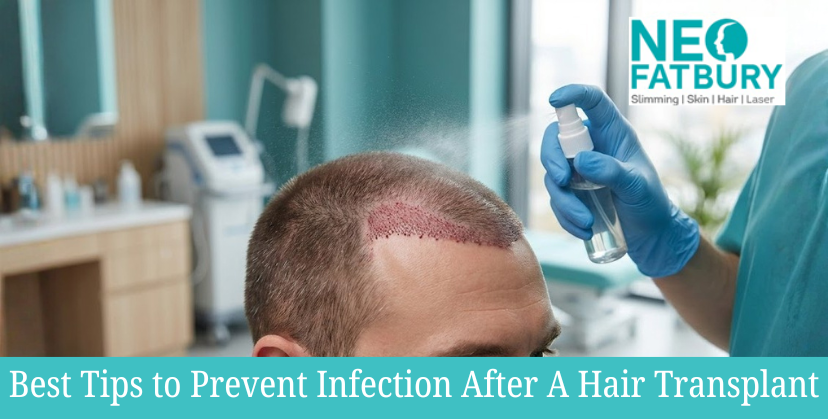
Hair transplantation is a transformative solution for individuals experiencing hair loss, but the real success of the procedure depends heavily on post-operative care. While modern techniques such as FUE and FUT are minimally invasive and highly advanced, the scalp still undergoes minor surgical trauma that requires careful attention during healing. Understanding the Best Tips to Prevent Infection After a Hair Transplant is essential to protect your newly implanted grafts and ensure optimal growth results.
At Neo Fatbury, we emphasize not only precision during the procedure but also structured post-transplant guidance to help patients recover safely and comfortably. Infection prevention is not complicated, but it requires consistency, hygiene, and awareness throughout the recovery process.
Understanding Why Infection Prevention is Important
A hair transplant involves creating small recipient sites in the scalp where grafts are implanted. These micro-incisions naturally form scabs as part of the healing process. Although the wounds are tiny, they remain vulnerable during the first 7 to 14 days. If bacteria enter these areas, it may lead to redness, swelling, tenderness, or delayed healing. In rare cases, untreated infections can affect graft survival and compromise results.
The scalp has a rich blood supply, which actually helps healing occur faster than many other areas of the body. However, maintaining cleanliness and following medical instructions are crucial. The Best Tips to Prevent Infection After a Hair Transplant focus on protecting this healing environment so that grafts anchor securely and begin healthy growth cycles.
Immediate Aftercare And Scalp Hygiene
The first few days following a transplant are critical. During this time, patients must avoid touching or scratching the treated area. It is common to experience mild itching or tightness, but disturbing the grafts can introduce bacteria and slow recovery. Following the surgeon’s instructions exactly as prescribed plays a major role in minimizing infection risks.
Hair washing is another key factor. Patients are generally advised to wait 48 to 72 hours before the first gentle wash. Using lukewarm water and a mild, prescribed shampoo helps remove dried blood and crusting without irritating the scalp. At Neo Fatbury, we provide clear washing demonstrations to ensure patients feel confident managing their hygiene at home. Proper cleansing keeps the scalp free from dirt accumulation while maintaining graft stability.
Maintaining a clean environment at home also supports recovery. Fresh pillowcases, sanitized towels, and avoiding dusty spaces reduce exposure to harmful bacteria. These small yet consistent habits form the foundation of the Best Tips to Prevent Infection After a Hair Transplant.
Medication And Medical Support
Prescribed antibiotics and anti-inflammatory medications are essential components of infection prevention. These medicines are carefully selected to reduce microbial growth and control swelling during the early healing phase. It is important to complete the entire course of antibiotics even if the scalp appears normal within a few days.
Follow-up appointments are equally important. Post-surgery reviews allow specialists to assess graft healing and identify any early signs of irritation or inflammation. At Neo Fatbury, we encourage patients to attend all scheduled follow-ups to ensure the scalp is progressing as expected.
Lifestyle Adjustments That Support Healing
Recovery after a hair transplant extends beyond topical care. Lifestyle habits significantly influence healing quality and infection risk. Smoking, for example, restricts blood flow to the scalp and delays tissue repair. Avoiding smoking during the first few weeks improves oxygen delivery to grafts and supports stronger follicle anchoring.
Alcohol consumption should also be limited, as it can interfere with medications and increase swelling. Hydration and balanced nutrition, on the other hand, promote faster cellular repair. A diet rich in vitamins, minerals, and protein strengthens the immune system and supports tissue regeneration.
Physical activity must be approached cautiously. Excessive sweating during workouts may irritate the scalp and create an environment for bacteria. Patients are usually advised to avoid heavy exercise for at least two to three weeks. By following these lifestyle-based Best Tips to Prevent Infection After a Hair Transplant, recovery becomes smoother and safer.
Projects The Scalp From External Factors
Environmental exposure can influence healing speed. Direct sunlight, pollution, and humidity may irritate newly transplanted grafts. Wearing a loose-fitting cap while stepping outdoors provides protection without causing friction. However, tight helmets or caps should be avoided during the early healing phase.
Swimming pools, especially chlorinated water, should be avoided for at least a month after surgery. Chemicals and bacteria present in public pools increase infection risk. Similarly, hair styling products, sprays, or gels should not be applied until the scalp fully heals. Maintaining simplicity in scalp care ensures graft safety.
Recognizing Early Warning Signs
Although infections are rare when proper protocols are followed, early detection is important. Normal healing may include mild redness, slight swelling, and temporary scabbing. However, persistent pain, unusual discharge, strong odor, or fever may indicate infection and require medical attention.
Patients should never attempt self-medication without consulting their clinic. Quick professional evaluation ensures timely treatment and prevents complications. At Neo Fatbury, our support team remains accessible to address post-operative concerns promptly.
Choosing A Trusted Clinic For Safer Results
One of the most overlooked yet significant Best Tips to Prevent Infection After a Hair Transplant begins even before the procedure-choosing the right clinic. A sterile surgical environment, experienced surgeons, and strict hygiene protocols dramatically reduce infection risk from the start.
At Neo Fatbury, we adhere to international sterilization standards and use advanced techniques to ensure minimal scalp trauma and maximum graft survival. Our comprehensive aftercare system is designed to guide patients through every stage of recovery with confidence and clarity.
Long-Term Scalp Care For Optimal Hair Growth
Once the initial healing phase is complete, maintaining scalp health continues to be important. Gentle hair care routines, mild shampoos, and avoiding harsh chemical treatments help preserve both transplanted and existing hair. Regular follow-ups allow specialists to monitor progress and recommend supportive treatments if needed.
Healthy scalp habits contribute not only to infection prevention but also to stronger, thicker, and more natural-looking hair growth over time. The journey does not end after the transplant; consistent care ensures lasting satisfaction.
Conclusion:
Following the Best Tips to Prevent Infection After a Hair Transplant protects your investment and ensures the best possible outcome from your procedure. Proper hygiene, disciplined medication use, healthy lifestyle choices, and professional monitoring all work together to create a smooth recovery process.
At Neo Fatbury, we combine medical expertise with patient-focused care to deliver safe, effective, and long-lasting hair restoration solutions. If you are planning a hair transplant or have questions about post-operative care, our team is ready to guide you every step of the way.
Contact Us – Start Your Safe Hair Restoration Journey Today






 Make An

 +91 7730049777
  neofatbury@gmail.com