
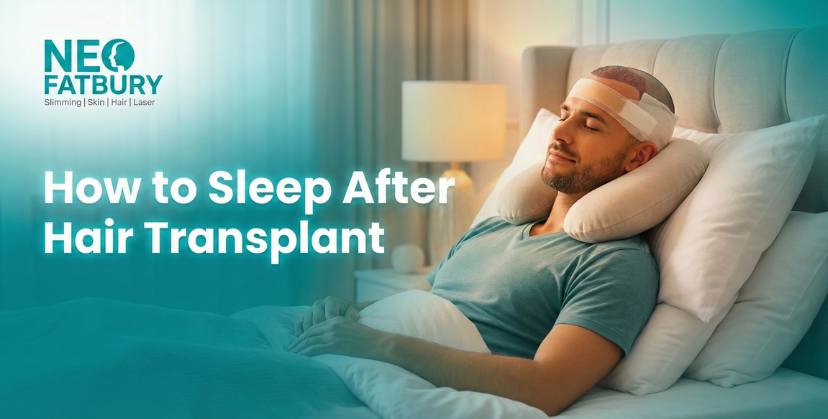
Undergoing a hair transplant is a life-changing decision, but what you do after the procedure is just as important as the treatment itself. One of the most common concerns patients have is How to Sleep After Hair Transplant without damaging newly implanted grafts. Proper sleeping posture, pillow support, and nighttime care play a crucial role in protecting follicles and ensuring optimal results.
At Neo Fatbury, we guide our patients through every stage of recovery, including the most critical first few nights after surgery. This comprehensive guide explains everything you need to know about How to Sleep After Hair Transplant, helping you heal comfortably and confidently.
Why Proper Sleep Position Matters After a Hair Transplant
Sleeping incorrectly after a hair transplant can disturb grafts, increase swelling, and delay healing. During the initial recovery phase, the transplanted follicles are delicate and require maximum protection. Understanding How to Sleep After Hair Transplant can prevent accidental rubbing, pressure, or friction that may cause graft dislodgement.
Maintaining the right sleep posture also helps reduce fluid accumulation in the forehead and around the eyes, a common side effect after hair restoration procedures. At Neo Fatbury, we emphasize sleep care as part of our post-treatment protocol to ensure long-lasting, natural-looking results.
How to Sleep After Hair Transplant in the First 7 Days
Best Sleeping Position After Hair Transplant Surgery
The most recommended position for How to Sleep After Hair Transplant is sleeping on your back with your head elevated at a 30–45 degree angle. This position minimizes swelling and prevents direct contact with the transplanted area.
Use two to three pillows or a reclining chair to maintain elevation. Sleeping flat or on your side too early may increase pressure on grafts, leading to discomfort or poor outcomes.
Important: Do Not Sleep Face Down or onThe Transplanted Area During The First Week.
Using Pillows and Neck Support for Safe Sleep
Special care must be taken when using pillows. Soft pillows with clean pillowcases are ideal. Many patients prefer using a travel neck pillow to prevent head movement during sleep. This method is highly effective for maintaining the correct posture while learning How to Sleep After Hair Transplant safely.
Cover your pillow with a clean towel to avoid contamination and accidental bleeding stains. Neo Fatbury recommends changing pillow covers daily during the first week.
How to Avoid Graft Damage While Sleeping
Common Mistakes to Avoid at Night
Understanding what not to do is just as important as knowing How to Sleep After Hair Transplant properly. Avoid these common mistakes:
- Touching or scratching the scalp during sleep
- Sleeping without head elevation
- Allowing pets near your sleeping area
- Using rough pillow covers
- Wearing tight caps or headgear at night
Each of these can increase the risk of graft loss and infection. Neo Fatbury provides detailed aftercare instructions to ensure patients avoid these risks.
Managing Swelling and Discomfort at Night
Mild swelling is normal after a hair transplant and often peaks within the first 2–3 days. Proper sleeping posture plays a vital role in controlling swelling. Cold compresses (used away from the graft area) and adequate hydration can also help.
By following expert advice on How to Sleep After Hair Transplant, patients can significantly reduce discomfort and enjoy uninterrupted rest.
How Long Should You Follow Special Sleeping Instructions?
Most patients need to follow strict sleeping precautions for at least 7–10 days after surgery. However, complete graft stabilization takes up to 14 days. During this time, continuing elevated sleep and avoiding side positions is highly recommended.
After two weeks, you can gradually return to your normal sleeping posture, but always consult your surgeon before making changes. At Neo Fatbury, personalized guidance ensures your recovery plan aligns with your procedure type and scalp condition.
Additional Night Care Tips for Faster Healing
To enhance recovery and protect results, follow these night-time tips:
- Wash your hair only as advised by your surgeon
- Avoid alcohol and smoking before bedtime
- Wear loose, comfortable clothing
- Maintain a clean sleeping environment
- Take prescribed medications on time
Consistently applying these habits alongside proper How to Sleep After Hair Transplant techniques leads to better graft survival and faster healing.
Why Choose Neo Fatbury for Hair Transplant Aftercare?
At Neo Fatbury, we believe successful hair restoration extends beyond the operation room. Our expert team provides complete post-procedure guidance, ensuring patients understand How to Sleep After Hair Transplant, wash their scalp safely, and manage recovery confidently.
Our patient-centric approach, advanced techniques, and dedicated aftercare support make Neo Fatbury a trusted name in hair restoration.
Contact Us – Neo Fatbury Today for Expert Guidance










 Make An

 +91 7730049777
  neofatbury@gmail.com