
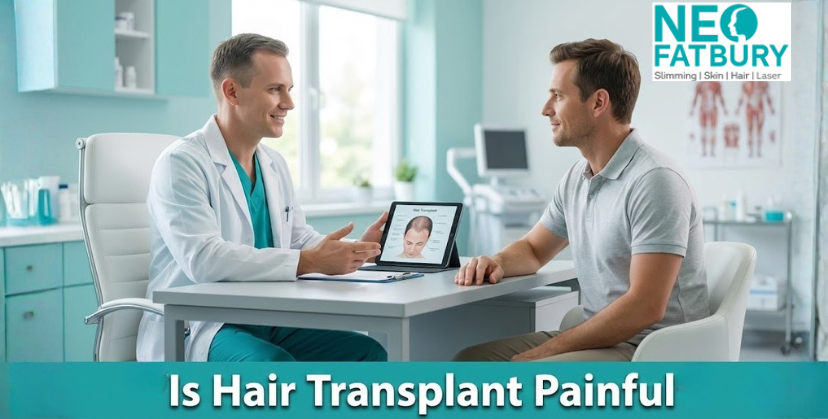
Hair loss is a common concern that affects confidence, appearance, and overall self-esteem. Many individuals consider a hair transplant as a permanent solution, yet one question often holds them back: Is Hair Transplant Painful Understanding the truth behind this concern can help you make an informed decision. At Neo Fatbury, we prioritize patient comfort by using advanced techniques that make the procedure safe, minimally invasive, and far less uncomfortable than most people imagine.
Understanding The Hair Transplant Procedure
To fully answer the question Is Hair Transplant Painful, it is essential to understand how the procedure works. A hair transplant involves relocating healthy hair follicles from a donor area, typically the back or sides of the scalp, to areas affected by thinning or baldness. This process ensures natural hair growth because the transplanted follicles retain their resistance to hair loss. Modern techniques such as FUE (Follicular Unit Extraction) and FUT (Follicular Unit Transplantation) are performed under local anesthesia, which numbs the scalp and prevents pain during the surgery. Patients remain awake but relaxed, often listening to music or watching videos, as the procedure is designed to be comfortable and stress-free.
How Pain is Managed During The Procedure
One of the most reassuring aspects for patients wondering Is Hair Transplant Painful is the use of local anesthesia. Before the procedure begins, the surgeon carefully administers anesthesia to the donor and recipient areas. Patients may feel a brief pinching sensation during the injection, but this lasts only a few seconds. Once the scalp is numb, there is no pain during follicle extraction or implantation, although mild pressure or movement may be felt. At Neo Fatbury, advanced anesthesia methods and refined surgical techniques ensure that patients remain comfortable throughout the entire process, which can last several hours depending on the number of grafts required.
What To Expect After A Hair Transplant
Although the procedure itself is virtually pain-free, patients may experience mild discomfort during the recovery period. After the anesthesia wears off, it is normal to feel slight soreness in the donor area, a sensation of tightness on the scalp, or mild swelling on the forehead. These symptoms are temporary and typically subside within a few days. Most patients describe the experience as manageable rather than painful. Following the surgeon’s post-operative instructions, such as taking prescribed medications, keeping the scalp clean, and resting adequately, can significantly reduce discomfort and promote faster healing.
Factors That Influence Pain Levels
Pain perception varies from person to person, which is why experiences differ slightly among patients. Individual pain tolerance plays a role in how discomfort is perceived, but severe pain is extremely rare. The technique used also influences comfort levels, with FUE generally causing less discomfort than FUT because it does not involve stitches or a linear incision. Additionally, the skill and experience of the surgeon are critical factors. Choosing a reputable clinic like Neo Fatbury ensures that refined methods are used to minimize tissue trauma, reduce recovery time, and enhance overall comfort.
Common Myths About Hair Transplant
Many misconceptions surround hair transplant procedures, leading to unnecessary fear. A common myth is that hair transplants are extremely painful; however, modern procedures are performed under anesthesia, making them virtually pain-free. Another misconception is that recovery involves severe pain, when in reality most patients report only mild soreness that fades quickly. Even FUT procedures, which may involve slightly more discomfort than FUE, are manageable with proper care and medication. Understanding these facts helps patients feel more confident and prepared.
Tips For A Comfortable Recovery
Ensuring a smooth recovery is essential for minimizing discomfort after a hair transplant. Following post-operative guidelines provided by your surgeon helps prevent complications and supports healing. Avoid touching or scratching the scalp, as this protects the newly implanted grafts and reduces irritation. Maintaining a healthy diet, staying hydrated, and getting adequate rest can further promote recovery. Temporary lifestyle adjustments, such as avoiding strenuous activities for a short period, allow the scalp to heal properly and comfortably.
Why Choose Neo Fatbury For A Comfortable Experience
When evaluating Is Hair Transplant Painful, the clinic you choose plays a significant role in your overall experience. Neo Fatbury is committed to providing advanced hair restoration solutions with a strong focus on patient comfort and safety. Our experienced specialists use minimally invasive techniques, modern equipment, and personalized care plans to ensure a smooth and comfortable journey from consultation to recovery. By prioritizing patient well-being, we help individuals achieve natural-looking results without unnecessary discomfort.
Final Thoughts: Is Hair Transplant Painful?
So, Is Hair Transplant Painful? The reality is that modern hair transplant procedures are designed to be comfortable and minimally invasive. While mild soreness or tightness may occur during recovery, it is temporary and easily manageable. For most patients, the life-changing benefits of restored hair and renewed confidence far outweigh the brief and minor discomfort associated with the procedure.
Contact Us – Book Your Free Consultation At Neo Fatbury









 Make An

 +91 7730049777
  neofatbury@gmail.com