
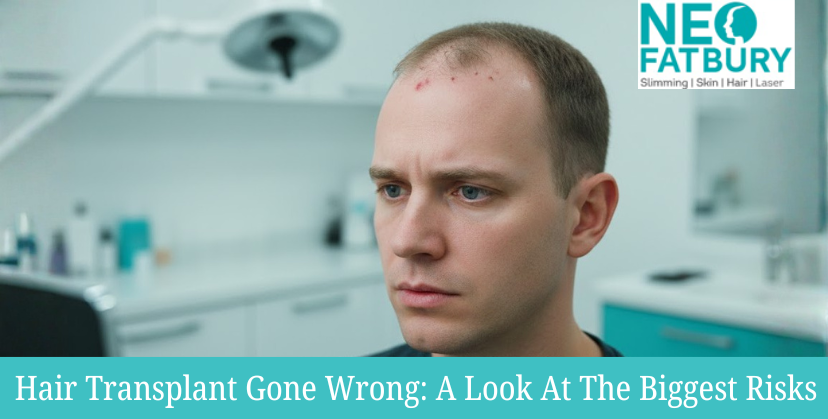
Hair transplantation is widely regarded as one of the most effective solutions for hair loss. With advanced techniques like FUE and FUT, millions of people have restored not just their hair but also their confidence. However, not every procedure delivers the promised results. Cases of Hair Transplant Gone Wrong: A Look at The Biggest Risks remind us that choosing the wrong clinic or surgeon can lead to serious physical, emotional, and financial consequences.
At Neo Fatbury, we believe patients deserve transparency and education before making such an important decision. Understanding the risks involved in hair transplantation helps you avoid complications and ensures you choose a clinic that prioritizes safety, precision, and long-term success.
Understanding Why Hair Transplants Go Wrong
When discussing Hair Transplant Gone Wrong: A Look at The Biggest Risks, it is essential to understand the root causes behind unsuccessful procedures. A hair transplant is not merely a cosmetic treatment; it is a delicate surgical process that requires expertise, artistic skill, and medical precision. If any of these elements are compromised, the results can appear unnatural or even damaging.
One of the primary causes of failed hair transplants is lack of surgeon experience. Hairline design requires an understanding of facial symmetry, age progression, and natural growth patterns. An inexperienced practitioner may place grafts at incorrect angles, resulting in hair that grows awkwardly or appears artificial. In some cases, poor technique can damage the scalp tissue, affecting blood circulation and graft survival.
Another significant factor is overharvesting the donor area. The back of the scalp contains a limited number of permanent hair follicles. Removing too many grafts can cause visible thinning or scarring in the donor region. Once donor hair is depleted, options for future corrective procedures become limited.
Poor hygiene standards and improper aftercare can also contribute to complications. Infections, inflammation, and graft failure often stem from clinics that fail to maintain sterile environments or from patients who are not properly guided during recovery.
The Visible Signs of a Hair Transplant Gone Wrong
Recognizing the warning signs of a Hair Transplant Gone Wrong: A Look at The Biggest Risks, can help patients seek timely correction. One of the most obvious indicators is an unnatural hairline. A straight, harsh, or overly dense frontal line often signals poor planning. Natural hairlines have subtle irregularities that blend seamlessly with facial features.
Another visible issue is uneven density. When grafts are not distributed properly, the transplanted area may appear patchy or sparse. Instead of achieving a fuller look, the result may draw attention for the wrong reasons. In some cases, hair grows in inconsistent directions due to incorrect implantation angles, creating a spiky or disorganized appearance.
Scarring is another concerning sign. While minor scarring is normal, large or noticeable scars in either the donor or recipient area suggest improper surgical techniques. Excessive swelling, prolonged redness, or persistent pain beyond the expected healing period may also indicate complications.
If you are unsure about your results, consulting specialists who offer Hair Transplant Repair Services can help assess the condition and determine suitable corrective options.
The Emotional and Financial Impact of Failed Procedures
The risks associated with Hair Transplant Gone Wrong: A Look at The Biggest Risks, extend beyond physical appearance. Hair restoration is deeply connected to self-esteem and personal confidence. When results fail to meet expectations, patients often experience frustration, embarrassment, and anxiety.
A failed procedure can intensify the emotional distress originally caused by hair loss. Instead of solving the problem, it may create new insecurities. Social interactions may become uncomfortable, and individuals may avoid public settings due to dissatisfaction with their appearance.
Financial consequences can also be significant. Corrective surgeries are often more complex and costly than the initial transplant. Patients who chose low-cost clinics to save money may ultimately spend far more repairing the damage. Moreover, if donor hair has been overharvested, complete correction may not even be possible.
At Neo Fatbury, we emphasize long-term planning to protect both your investment and your confidence. Our approach focuses on natural results that stand the test of time.
How Proper Technique Prevents Major Risks
Preventing a Hair Transplant Gone Wrong: A Look at The Biggest Risks, begins with choosing the right clinic and surgeon. Experience plays a crucial role in ensuring graft survival and natural aesthetics. A skilled surgeon carefully evaluates scalp health, donor density, and future hair loss progression before planning the procedure.
Advanced FUE Hair Transplant techniques, when performed correctly, minimize scarring and promote faster recovery. Proper angle placement ensures that transplanted hair grows in harmony with existing strands. Additionally, careful graft extraction protects the donor area from visible thinning.
Another essential aspect of prevention is patient education. Clear communication about realistic expectations helps avoid disappointment. Hair growth takes time, and full results typically appear several months after surgery. Clinics that promise instant or unrealistic outcomes should be approached with caution.
Strict adherence to aftercare instructions further reduces risks. Avoiding strenuous activity, protecting the scalp from infection, and attending follow-up appointments all contribute to optimal healing. For more guidance on recovery, you can explore our Hair Transplant Aftercare Guide to ensure safe and effective results.
Can a Hair Transplant Gone Wrong Be Corrected?
Corrective procedures are possible, but they require specialized expertise. Repairing a failed transplant involves careful assessment of the existing grafts, donor availability, and scalp condition. In some cases, poorly placed grafts can be removed and repositioned. Scar camouflage techniques and refined hairline redesign may also improve overall appearance.
However, corrective surgery is often more complicated than the initial procedure. The limited availability of donor hair may restrict options. This highlights the importance of choosing a reputable clinic for your first transplant rather than risking complications that require repair.
At Neo Fatbury, our team evaluates each case individually, offering honest guidance about feasible solutions. Our goal is to restore natural appearance while preserving scalp health for future needs.
Why Choosing the Right Clinic Makes All the Difference
When considering Hair Transplant Gone Wrong: A Look at The Biggest Risks,, prevention ultimately depends on informed decision-making. A reputable clinic prioritizes patient safety, transparency, and long-term outcomes. Detailed consultations, clear explanations of procedures, and a customized treatment plan reflect professional standards.
Local expertise also matters. Access to follow-up care and direct communication with your surgeon enhances safety and comfort. Choosing a trusted clinic like Neo Fatbury ensures that your hair restoration journey is guided by experience, advanced technology, and patient-centered care.
Hair transplantation should enhance your appearance naturally and subtly. When performed correctly, the results are virtually undetectable and long-lasting. Taking the time to research and select the right provider protects you from the biggest risks associated with failed procedures.
Contact Us – Neo Fatbury Now And Avoid The Risks Of A Hair Transplant Gone Wrong





 Make An

 +91 7730049777
  neofatbury@gmail.com