A hair transplant is a highly effective solution for individuals experiencing hair loss, thinning hair, or baldness. While the procedure itself is an important step toward restoring confidence and achieving natural-looking hair, the recovery process plays an equally vital role in determining the final results. One of the most common concerns among patients is understanding how to wash hair after hair transplant without damaging the newly implanted grafts.
Proper post-transplant care helps protect the transplanted follicles, reduces the risk of complications, and supports healthy hair growth. Knowing how to wash hair after hair transplant correctly can significantly improve healing and ensure long-term success. At Neo Fatbury, our hair restoration specialists provide personalised care guidance to help every patient achieve the best possible outcome from their treatment. This comprehensive guide explains everything you need to know about how to wash hair after hair transplant, including the right washing techniques, common mistakes to avoid, and additional recovery tips that support healthy hair growth and
Natural-Looking Hair restoration.
Why Proper Hair Washing After a Hair Transplant is Important
After a hair transplant procedure, thousands of hair grafts are carefully implanted into specific areas of the scalp. These grafts are delicate during the initial healing phase and need time to establish a secure connection with the surrounding tissue.
Proper washing is essential because it helps keep the scalp clean, removes dried blood and scabs, minimises the risk of infection, and promotes a healthy environment for new hair growth. However, washing the scalp incorrectly can disturb the grafts and potentially affect the overall success of the transplant. Understanding how to wash hair after a hair transplant is one of the most important aspects of post-operative care. Following the correct instructions can help ensure that your newly transplanted follicles remain secure while your scalp heals comfortably.
When Should You Start Washing Your Hair After a Hair Transplant?
The timing of your first hair wash is critical. Most specialists recommend avoiding any contact with water during the first 48 hours after the procedure. This allows the grafts to settle into their new positions and begin the healing process.
Typically, gentle washing can begin between the third and fifth day after surgery, depending on your surgeon’s recommendations and individual healing progress. During this period, the scalp may still be sensitive, and extra care is required when cleaning the treated area.
At Neo Fatbury, every patient receives detailed aftercare instructions tailored to their specific treatment plan. Our experts ensure that patients understand exactly when and how to wash hair after a hair transplant to achieve optimal healing, long-lasting results, and the benefits of the
Best Hair Transplantation Experience. Proper aftercare plays a vital role in protecting newly implanted grafts and supporting healthy, natural-looking hair growth.
How to Wash Hair After Hair Transplant Safely
Choose a Mild Shampoo
The first step in learning how to wash hair after a hair transplant is selecting the right shampoo. Harsh shampoos containing strong chemicals can irritate the scalp and slow the healing process. Most specialists recommend using a mild or medicated shampoo that is free from sulfates, parabens, and strong fragrances.
A gentle shampoo helps cleanse the scalp without causing unnecessary irritation or dryness. It also supports the natural healing process while protecting newly implanted follicles.
Apply Shampoo Gently
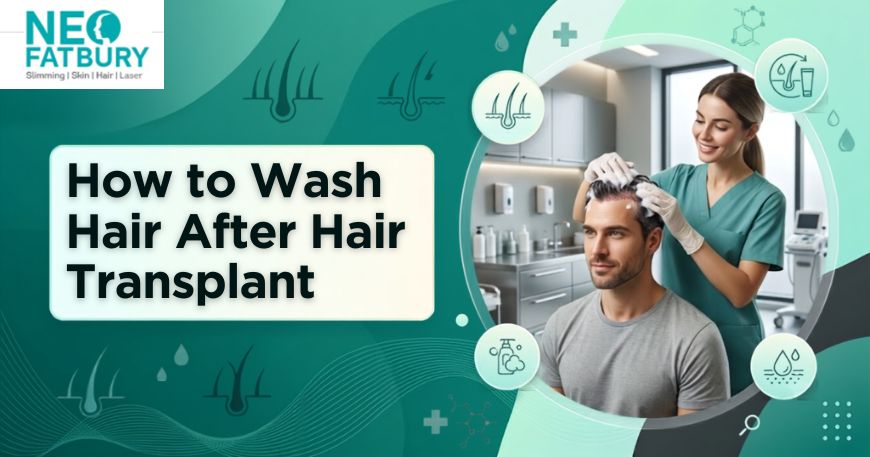
Rather than applying shampoo directly onto the scalp, create a soft foam by mixing the shampoo with water in your hands. Once the foam is prepared, gently place it over the transplanted area.
Avoid rubbing, massaging, or scratching the scalp. The goal is to allow the foam to clean the area without creating friction that could disturb the grafts. Let the foam sit on the scalp for a few minutes before rinsing.
Rinse with Care
Rinsing should always be done using lukewarm water. Hot water can irritate the scalp, while cold water may cause discomfort during the healing phase.
Instead of directing a strong stream of water onto the scalp, allow the water to flow gently over the treated area. Many patients find it helpful to use a cup or a low-pressure shower setting. This method helps remove shampoo effectively while protecting the transplanted follicles.
Dry Your Hair Properly
After washing, use a clean and soft towel to gently pat the scalp dry. Avoid rubbing the towel against the treated area, as friction can affect healing tissues and graft stability.
Air drying is often recommended during the first few weeks after surgery because it minimizes unnecessary contact with the scalp and supports a comfortable recovery process.
Understanding the Hair Transplant Healing Process
Knowing what to expect during recovery can help patients feel more confident and prepared. During the first week, it is normal to experience mild redness, swelling, and the formation of tiny scabs around the transplanted follicles. These symptoms are part of the natural healing process and typically improve within a few days.
By the second week, most scabs begin to soften and fall away naturally. Patients may also notice mild itching, which is a sign that the scalp is healing. It is important to avoid scratching the area, even if the itching becomes uncomfortable.
Several weeks after the procedure, some patients experience temporary shedding of transplanted hairs, a process commonly known as shock loss. This is a normal stage of recovery and does not indicate that the transplant has failed. New hair growth generally begins within a few months, with noticeable improvements continuing over the next year.
At Neo Fatbury, our specialists monitor every stage of the recovery process and provide ongoing support to help patients achieve successful hair restoration outcomes.
Common Mistakes to Avoid After a Hair Transplant
One of the most common mistakes patients make is washing their hair too early. Attempting to clean the scalp before the recommended timeframe can interfere with graft attachment and delay healing.
Another mistake is using excessive water pressure while rinsing. Strong water streams can dislodge newly implanted follicles, particularly during the first week after surgery. Similarly, scratching the scalp or attempting to remove scabs manually can damage healing tissue and increase the risk of infection.
Patients should also avoid using hair styling products such as gels, sprays, and waxes until their specialist confirms that the scalp has healed sufficiently. These products may irritate the treated area and interfere with recovery. Learning
How to Wash Hair After Hair Transplant properly helps prevent these common issues and contributes to better long-term results.
Additional Hair Care Tips for Better Results
Successful recovery involves more than simply understanding how to wash hair after hair transplant. Following a healthy lifestyle can also support stronger hair growth and faster healing.
Protecting the scalp from direct sunlight is essential during the first few weeks after surgery. Excessive sun exposure can irritate sensitive skin and affect recovery. Wearing a loose-fitting cap when outdoors can provide added protection.
Maintaining a nutritious diet rich in vitamins, minerals, and proteins supports healthy hair growth and tissue repair. Staying hydrated is equally important, as proper hydration promotes overall healing and scalp health. Patients are also encouraged to avoid smoking and excessive alcohol consumption during the recovery period. These habits can affect blood circulation and potentially slow the healing process.
Comprehensive Hair, Skin, and Wellness Services at Neo Fatbury
At Neo Fatbury, we provide a complete range of advanced aesthetic, wellness, and hair restoration treatments designed to help clients look and feel their best. Our hair care services include Hair Transplant Procedures, Hair Regrowth Treatments, Hair Fall Solutions, Mesotherapy for Hair, and Anti-Dandruff Treatments. These services are customized to address different stages of hair loss and support long-term scalp health.
In addition to hair restoration, Neo Fatbury offers specialized Weight Loss and Body Contouring Treatments such as Non-Surgical Weight Loss Programs, Body Fat Reduction, Cryolipolysis, Body Contouring Procedures, Inch Loss Treatments, and Personalized Nutrition Counseling. We also provide advanced Skin and Aesthetic Treatments, including Laser Hair Removal, Skin Tightening, Anti-Aging Treatments, Pigmentation Correction, Scar Removal, Stretch Mark Reduction, Dermal Fillers, HIFU Treatments, and Tattoo Removal services.
Why Choose Neo Fatbury for Hair Transplant Care?
Choosing the right clinic is essential for achieving successful hair restoration results. Neo Fatbury combines advanced technology, experienced specialists, and personalized treatment plans to deliver exceptional care from consultation through recovery.
Our team focuses not only on performing high-quality hair transplant procedures but also on providing comprehensive aftercare support. We educate every patient about how to wash hair after a hair transplant, proper recovery practices, and long-term hair maintenance strategies.
With a commitment to patient satisfaction, innovation, and natural-looking outcomes, Neo Fatbury has become a trusted destination for hair restoration, skin care, and wellness treatments.
Conclusion
Understanding how to wash hair after a hair transplant is a crucial part of ensuring successful recovery and long-lasting hair growth. Proper washing techniques, expert aftercare guidance, and professional support can make a significant difference in your final results.
Contact Neo Fatbury today to schedule your consultation and take the first step toward healthier hair, enhanced confidence, and long-term wellness.
FAQs
1. When can I wash my hair?
▼
You can usually start washing your hair after a hair transplant within 48–72 hours, as advised by your specialist.
2. Which shampoo should I use?
▼
For how to wash hair after a hair transplant, use a mild, sulfate-free shampoo recommended by your doctor.
3. Can I rub my scalp?
▼
No, while following how to wash hair after a hair transplant, avoid rubbing or scratching the treated area. Gentle application helps protect the grafts during the healing phase.
4. Is scabbing normal?
▼
Yes, scabs are a normal part of recovery after washing hair after a hair transplant. They usually fall off naturally within 7–14 days as the scalp heals.
5. Can I use hot water?
▼
No, how to wash hair after a hair transplant involves using lukewarm water only. Hot water may irritate the scalp and slow down the healing process.
Key Topics:
Hair wash after hair transplant
Hair transplant aftercare
Hair transplant recovery
Post hair transplant care
Hair transplant care tips
Hair transplant healing process
Hair transplant recovery tips
Hair transplant scalp care
Hair transplant maintenance
Hair transplant recovery guide




 Make An

 +91 7730049777
  neofatbury@gmail.com