A hair transplant is a major step toward restoring confidence and achieving natural hair growth. However, the success of the procedure does not depend only on the treatment itself. Proper post-transplant care, especially maintaining a healthy diet, plays an important role in supporting recovery and improving hair growth results. Choosing the Best Foods To Eat After A Hair Transplant can help strengthen hair follicles, speed up healing, and reduce the chances of complications during recovery.
After a hair transplant procedure, the scalp requires essential nutrients to repair tissues and encourage healthy follicle growth. A balanced diet rich in proteins, vitamins, minerals, and antioxidants can make a significant difference in the final outcome of the transplant. At
Neo Fatbury, specialists guide patients with proper aftercare instructions to ensure long-lasting and natural-looking results.
Understanding which foods benefit recovery the most can help patients maintain healthier hair and achieve better density after the procedure.
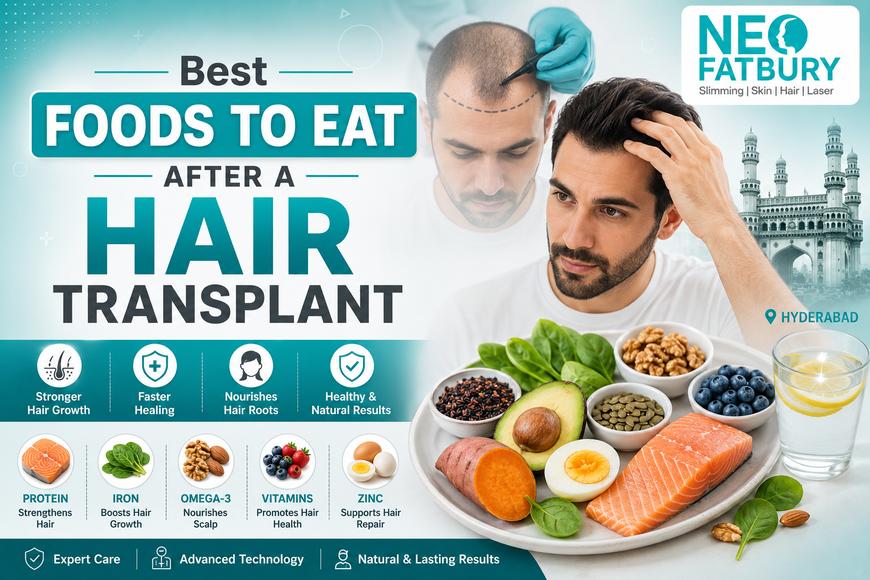
Protein-Rich Foods For Faster Hair Growth
Protein is one of the most important nutrients for healthy hair growth because hair follicles are primarily made of keratin, a type of protein. Consuming enough protein after the procedure helps repair tissues and strengthens transplanted follicles during the recovery phase. This makes protein-rich meals one of the Best Foods To Eat After A Hair Transplant.
Foods such as eggs, chicken, fish, lentils, paneer, Greek yogurt, and nuts help provide the body with amino acids required for healthy hair production. Eggs are especially beneficial because they contain both protein and biotin, which are essential for improving hair strength and reducing hair breakage. Fish such as salmon and tuna are rich in omega-3 fatty acids, which help nourish the scalp and support follicle health.
Patients recovering from a hair transplant should focus on balanced meals that include quality proteins every day. This helps the body rebuild damaged tissues while supporting stronger and healthier hair growth. Consistent protein intake can also improve the appearance and density of transplanted hair over time.
Vitamin-Rich Fruits and Vegetables For Healing
Vitamins and antioxidants are equally important when discussing the Best Foods To Eat After A Hair Transplant. Fresh fruits and vegetables provide the body with nutrients that support healing, improve blood circulation, and reduce inflammation around the scalp.
Vitamin C plays a major role in collagen production, which helps repair skin tissues after the procedure. Citrus fruits like oranges, lemons, and sweet limes are excellent sources of Vitamin C. Leafy green vegetables such as spinach and kale contain iron and folate, which help improve oxygen flow to hair follicles and encourage stronger growth.
Carrots, sweet potatoes, and pumpkins contain beta-carotene, which converts into Vitamin A and helps maintain scalp health. Berries and pomegranates are rich in antioxidants that protect hair follicles from oxidative stress and support healthier recovery after transplantation.
Including a variety of colorful fruits and vegetables in daily meals ensures the body receives enough nutrients to support the healing process naturally.
Hydration is also important because water helps maintain scalp moisture and supports nutrient circulation throughout the body.
Iron and Zinc Foods For Stronger Hair Follicles
Iron and zinc deficiencies are commonly linked to hair thinning and weak hair growth. Consuming foods rich in these minerals is considered essential among the Best Foods To Eat After A Hair Transplant because they help strengthen hair follicles and improve overall scalp health.
Iron helps red blood cells carry oxygen to the scalp, ensuring transplanted follicles receive proper nourishment during recovery. Foods such as spinach, beetroot, beans, dates, and lean red meat are excellent sources of iron. Zinc supports tissue repair and helps maintain healthy oil glands around hair follicles, reducing dryness and scalp irritation after the procedure.
Pumpkin seeds, chickpeas, nuts, and whole grains are natural sources of zinc that can support healthy recovery after transplantation. Patients who maintain proper iron and zinc intake often experience improved follicle strength and healthier hair growth over time.
Avoiding unhealthy processed foods is equally important during recovery. Excess sugar, junk food, alcohol, and smoking can negatively affect blood circulation and slow down healing. A healthy diet combined with proper lifestyle habits can improve the overall success of the transplant procedure.
Healthy Fats and Hydration For Scalp Health
Healthy fats help maintain scalp hydration and reduce inflammation after a hair transplant. Foods rich in healthy fats are among the Best Foods To Eat After A Hair Transplant because they provide
essential nutrients that support long-term hair health.
Avocados, almonds, walnuts, flaxseeds, and olive oil contain healthy fatty acids that nourish the scalp and strengthen hair roots. Omega-3 fatty acids found in fish and seeds help improve blood circulation while reducing scalp dryness during the healing phase.
Hydration also plays a critical role in recovery. Drinking enough water helps transport nutrients throughout the body and keeps the scalp healthy. Dehydration can slow down recovery and affect the condition of newly transplanted follicles. Patients are usually advised to drink adequate water daily while avoiding sugary beverages and excessive caffeine.
A healthy post-transplant diet not only improves healing but also supports long-lasting hair quality and density. Combined with expert medical care and proper aftercare instructions, nutritional support helps patients achieve the best possible outcome from their hair restoration procedure.
Conclusion
Following the Best Foods To Eat After A Hair Transplant can significantly improve healing, strengthen transplanted follicles, and support natural hair growth. A nutrient-rich diet combined with professional aftercare guidance helps patients achieve healthier and longer-lasting results after the procedure.
Contact Neo Fatbury Hair Clinic today to schedule a consultation and receive expert advice for successful hair restoration and post-transplant recovery.
FAQs
1. Which Nutrients Help Improve Recovery After Hair Surgery?
▼
The Best Foods To Eat After A Hair Transplant include proteins, vitamins, and minerals that support healing and stronger follicle growth.
2. Can A Healthy Diet Improve Newly Transplanted Hair Growth?
▼
Yes, the Best Foods To Eat After A Hair Transplant help nourish follicles, improve scalp health, and support long-lasting hair growth.
3. How Soon Should Proper Nutrition Begin After The Procedure?
▼
Patients should start following the Best Foods To Eat After A Hair Transplant immediately to improve recovery and reduce complications.
4. Are Fruits And Vegetables Important During The Healing Process?
▼
The Best Foods To Eat After A Hair Transplant include fruits and vegetables rich in antioxidants that help repair scalp tissues faster.
.5. Does Hydration Support Better Hair Restoration Results Naturally?
▼
Yes, the Best Foods To Eat After A Hair Transplant include proper hydration to improve scalp health and support healthy follicle recovery.
Key Topics:
Hair Transplant Recovery Diet
Foods For Hair Growth After Transplant
Post Hair Transplant Nutrition
Best Diet After Hair Transplant
Hair Transplant Healing Foods
Protein Foods For Hair Growth
Healthy Foods For Hair Restoration
Vitamins For Hair Transplant Recovery
Foods To Strengthen Hair Follicles
Hair Care After Hair Transplant



 Make An

 +91 7730049777
  neofatbury@gmail.com