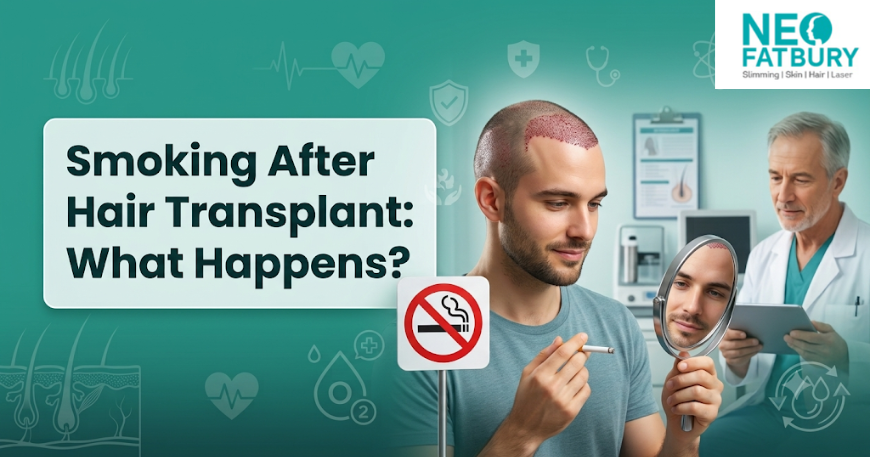
A hair transplant is a life-changing procedure that restores confidence and improves appearance. However, achieving the best results depends not only on the surgery itself but also on following proper aftercare instructions. One of the most important recommendations surgeons make is to avoid smoking during the recovery period. Many patients wonder, Smoking After Hair Transplant: What Happens? The answer is simple: smoking can negatively impact healing, reduce blood circulation, and even affect the survival of newly transplanted hair grafts.
At Neo Fatbury, we educate every patient about the
Importance of Post-Transplant Care to Ensure Optimal Results. Understanding how smoking affects the healing process can help you make informed decisions and protect your investment in hair restoration.
Why Smoking is Harmful After A Hair Transplant
Smoking introduces harmful chemicals such as nicotine, carbon monoxide, and tar into the body. These substances reduce oxygen levels in the blood and narrow blood vessels, making it harder for nutrients and oxygen to reach healing tissues.
After a hair transplant, the newly implanted follicles rely on a healthy blood supply to survive and grow. When smoking restricts circulation, these grafts may not receive the nourishment they need. This can slow healing and increase the risk of poor graft survival.
Patients who avoid smoking during recovery generally experience faster healing, healthier scalp tissue, and better long-term hair growth.
How Smoking Affects Hair Transplant Recovery
The recovery period after a hair transplant is critical because this is when the transplanted follicles establish themselves in the scalp. Smoking during this phase may interfere with several aspects of healing.
Reduced Blood Circulation
Nicotine causes blood vessels to constrict, reducing blood flow throughout the body.
Since hair follicles requires oxygen-rich blood to survive, decreased circulation can limit their ability to establish healthy roots.
Poor circulation also delays wound healing in both the donor and recipient areas, increasing recovery time.
Lower Oxygen Supply
Carbon monoxide from cigarette smoke reduces the amount of oxygen carried by red blood cells. Oxygen is essential for repairing damaged tissues and promoting healthy cell growth.
Without adequate oxygen, healing slows down, and transplanted follicles may struggle to thrive.
Increased Risk of Infection
Smoking weakens the body’s immune response, making it more difficult to fight bacteria and infections. A weakened immune system increases the likelihood of complications during recovery.
Keeping the scalp healthy is essential for successful graft survival, which is why Neo Fatbury advises patients to strictly follow post-operative care instructions.
Smoking After Hair Transplant: What Happens to Hair Grafts?
One of the biggest concerns among patients is whether smoking can damage transplanted grafts. The answer is yes.
Hair grafts are extremely delicate during the first few weeks after surgery. They depend entirely on the surrounding scalp tissue for nutrients and oxygen until they become fully established.
Smoking may lead to:
Poor graft survival
Slower healing
Increased swelling
Delayed tissue repair
Reduced hair density
Uneven hair growth
Greater chance of graft failure
Although not every smoker experiences graft loss, the overall success rate can decrease significantly compared to non-smokers.
How Long Should You Avoid Smoking?
Most hair transplant specialists recommend avoiding smoking for at least two weeks before surgery and a minimum of two to four weeks after the procedure.
However, the longer you avoid smoking, the better your recovery and hair growth are likely to be.
At Neo Fatbury, every patient receives personalized aftercare instructions based on their treatment plan and overall health. Following these guidelines greatly improves the chances of achieving natural, long-lasting results.
Benefits of Quitting Smoking During Recovery
Choosing not to smoke after your hair transplant offers several important benefits.
Faster Healing
Improved blood circulation helps the scalp recover more quickly while reducing inflammation and discomfort.
Better Graft Survival
Healthy blood flow ensures transplanted follicles receive the nutrients they need to grow successfully.
Reduced Risk of Complications
Avoiding smoking lowers the chances of infection, delayed healing, and unnecessary irritation.
Healthier Hair Growth
Improved oxygen delivery supports stronger follicles, leading to thicker, healthier hair over time.
These benefits extend beyond hair restoration and contribute to overall health and well-being.
Tips to Avoid Smoking After A Hair Transplant
Quitting smoking may feel challenging, but even a temporary break can make a significant difference in your recovery.
Helpful strategies include:
Remove cigarettes and lighters from your surroundings.
Stay hydrated throughout the recovery period.
Follow your surgeon’s aftercare plan carefully.
Keep yourself occupied with light activities.
Seek support from family and friends.
Consider professional smoking cessation guidance if needed.
Many patients find that this recovery period becomes an opportunity to quit smoking permanently.
Essential Hair Transplant Aftercare Tips
Besides avoiding smoking,
Smoking After Hair Transplant: What Happens? Proper aftercare plays a major role in achieving excellent results.
Patients should:
Protect The Scalp
Avoid touching or scratching the transplanted area during the early healing phase.
Follow Washing Instructions
Use only recommended shampoos and washing techniques provided by your surgeon.
Take Prescribed Medications
Complete the full course of prescribed medications to minimize infection and promote healing.
Avoid Alcohol
Like smoking, alcohol can interfere with healing and should be avoided during the initial recovery period.
Eat A Healthy Diet
Nutritious foods rich in protein, vitamins, and minerals support tissue repair and hair growth.
Attend Follow-Up Appointments
Regular check-ups allow your surgeon to monitor progress and address any concerns early.
At Neo Fatbury, comprehensive aftercare support ensures every patient receives expert guidance throughout the recovery journey.
Why Choose Neo Fatbury for Hair Restoration?
Choosing an experienced clinic is just as important as following aftercare instructions. Neo Fatbury combines advanced hair transplant techniques with personalized patient care to deliver natural-looking results.
Patients trust Neo Fatbury because of:
Experienced hair restoration specialists
Modern hair transplant technology
Personalized treatment plans
Comprehensive pre- and post-operative care
High standards of patient safety
Natural-looking hairline design
Transparent consultation process
Long-term patient support
From consultation to recovery, every step is carefully managed to maximize successful outcomes.
Understanding Long-Term Hair Growth
Hair transplant results develop gradually. During the first few weeks, transplanted hairs may shed before entering a new growth cycle. This is a normal part of the healing process.
Healthy lifestyle choices-including avoiding smoking-help create the ideal environment for new hair growth.
Most patients begin seeing noticeable improvements within three to four months, while full results typically become visible after nine to twelve months.
Remaining patient and following medical advice are key to achieving the best possible outcome.
Conclusion
Our experienced specialists provide advanced hair restoration treatments, personalized consultations, and complete aftercare support to ensure successful, natural-looking results.
Contact Us Neo Fatbury Today to schedule your consultation and learn how proper care can help you achieve healthy hair growth and long-lasting confidence.
FAQs
1. How Long Should I Avoid Smoking?
▼
Smoking After Hair Transplant: What Happens? At Neo Fatbury, experts recommend avoiding smoking for at least 2–4 weeks to support proper healing and graft survival.
2. Can Smoking Affect Hair Grafts?
▼
Smoking After Hair Transplant: What Happens? Smoking reduces blood flow and oxygen supply, which may affect graft survival and slow recovery after treatment.
3. Does Smoking Slow Healing?
▼
Smoking After Hair Transplant: What Happens? Yes, smoking can delay healing by restricting blood circulation, increasing recovery time, and affecting hair growth.
4. Is It Safe to Smoke After Treatment?
▼
Smoking After Hair Transplant: What Happens? Even a few days after surgery, smoking may interfere with healing, so Neo Fatbury advises avoiding it completely.
5. How Can I Improve Transplant Results?
▼
Smoking After Hair Transplant: What Happens? Following aftercare instructions, avoiding smoking, eating healthy, and attending follow-ups improve transplant success at Neo Fatbury.
Key Topics:
Hair Transplant Aftercare
Hair Transplant Recovery
Hair Graft Survival
FUE Hair Transplant
Hair Restoration Treatment
Hair Transplant Healing
Hair Growth After Transplant
Hair Transplant Specialist
Post-Operative Hair Care
Neo Fatbury Hair Clinic





 Make An

 +91 7730049777
  neofatbury@gmail.com